Robotic surgery in cancer uses a surgeon-controlled robotic system to perform pr...See More
Aug 11, 2026
Advanced therapies tailored for every patient’s unique cancer needs
.jpg)
Comprehensive treatment for breast, lung, gastrointestinal, and hematologic cancers
.jpg)
Cutting-edge treatments improving survival and quality of life
.jpg)
Holistic approach combining medical expertise with emotional care
.jpg)
Evidence-based care guided by latest global oncology advancements
.jpg)
.jpg)
.jpg)
.jpg)
.jpg)
.jpg)
About Us
Years of Experience
Radiotherapies Administered
Cancer Patients Successfully Cured







Holistic Oncology Care for Every Stage of Cancer

Stay informed with our latest updates, posts, announcements, and healthcare news

Robotic surgery in cancer uses a surgeon-controlled robotic system to perform pr...See More
Aug 11, 2026
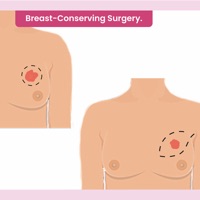
Breast-conserving surgery (lumpectomy/wide local excision) removes the breast ca...See More
Aug 08, 2026

NGS (next-generation sequencing) helps cancer management by identifying tumor mu...See More
Aug 05, 2026
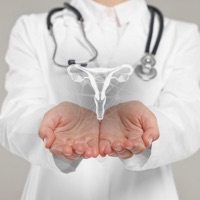
Cancer treatment can harm fertility, so discuss preservation before starting the...See More
Aug 03, 2026
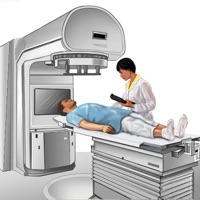
Radiation therapy uses high-energy beams to damage cancer cell DNA, stopping the...See More
Jul 30, 2026
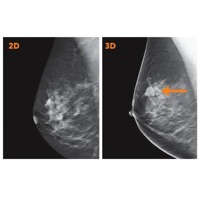
Mammography is a low-dose X-ray of the breast used to screen for and help diagno...See More
Jul 28, 2026
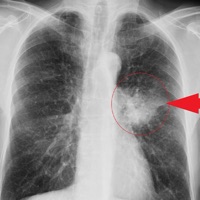
Targeted therapy in **lung cancer** depends on tumor genetics, mainly in **NSCLC...See More
Jul 25, 2026
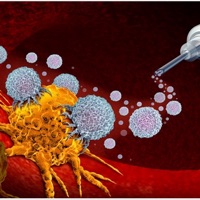
Immunotherapy treats cancer by helping the immune system recognize and destroy t...See More
Jul 23, 2026
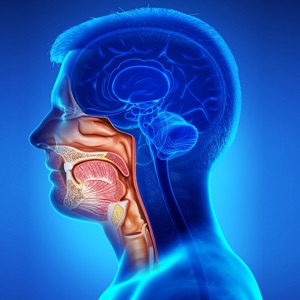
Head and neck cancer is a group of cancers in the mouth, throat, voice box, sinu...See More
Apr 09, 2026

Smoking is a major cause of cancer. It contains many carcinogens that damage DNA...See More
Mar 25, 2026

For a cancer patient, focus on small, frequent meals with high protein and calor...See More
Mar 23, 2026
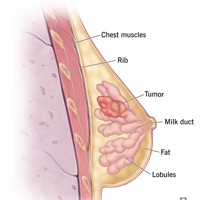
HER2-positive breast cancer has too much HER2 protein, which makes the cancer gr...See More
Jul 16, 2026
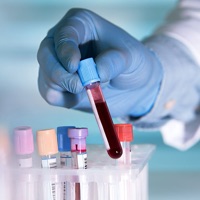
Liquid biopsy is a minimally invasive test that detects tumor-related material i...See More
Jul 20, 2026
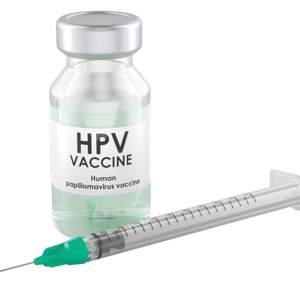
The HPV vaccination protects against the human papillomavirus, which is linked t...See More
Mar 19, 2026
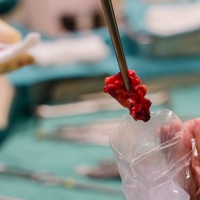
Biopsy is the gold standard for diagnosing cancer. It involves removing a small ...See More
Jul 27, 2026
Oncologist, Radiation Oncologist


Need Answers? Find them here...
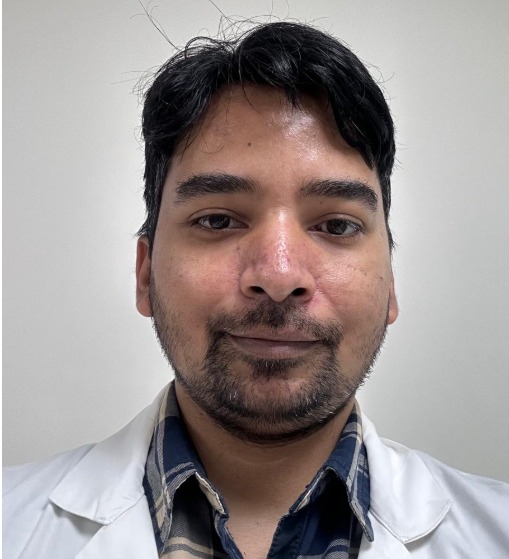
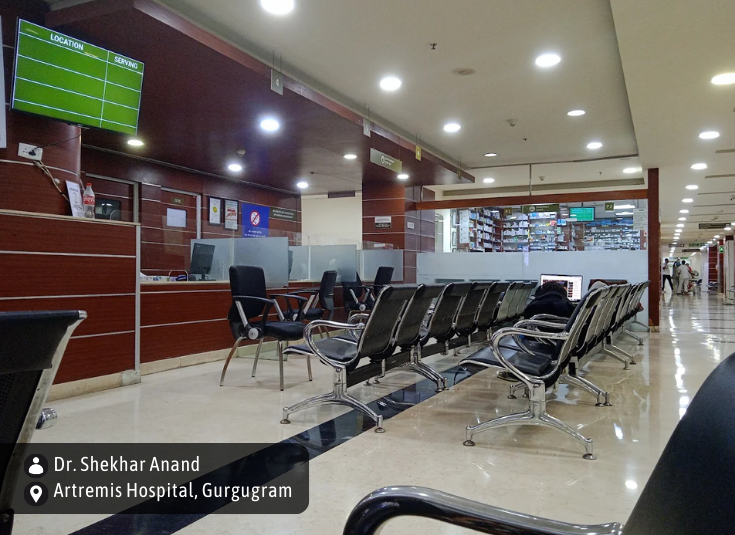
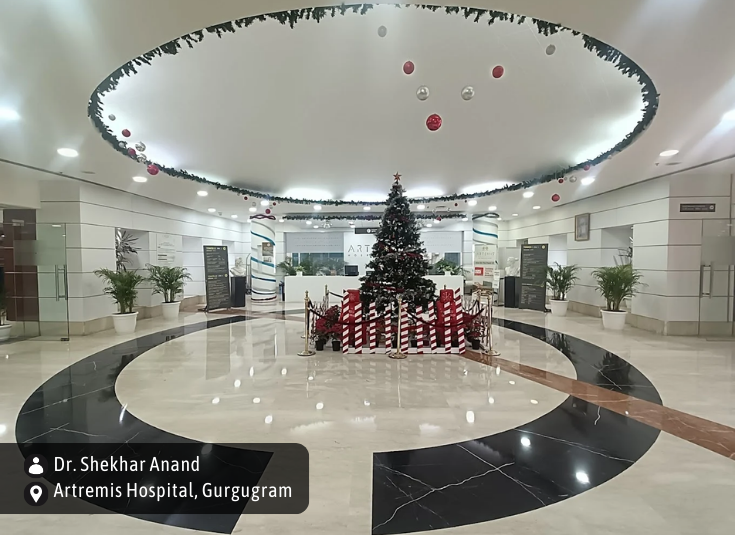
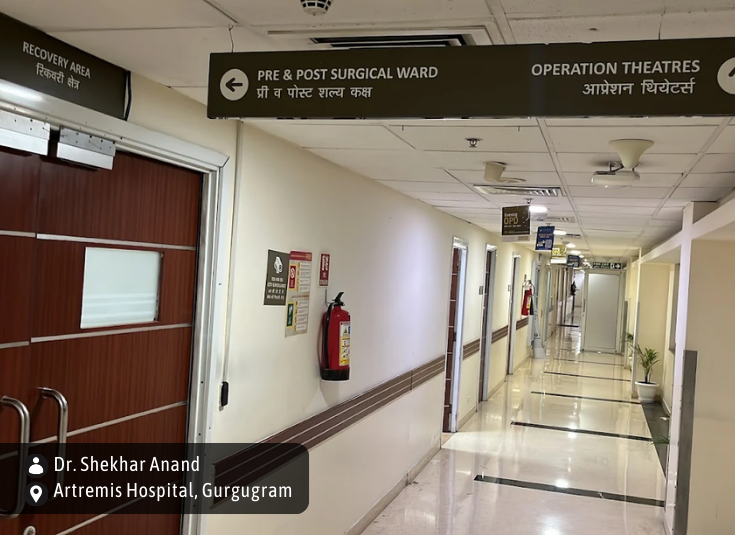
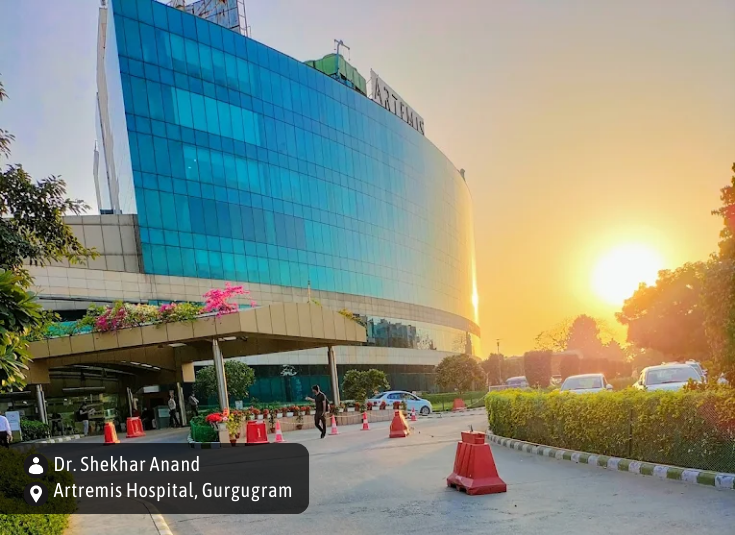
Dr. Shekhar Anand completed his MBBS from JIPMER, Puducherry in 2013, and further pursued an MD in Radiation Oncology from GSVM Medical College, Kanpur in 2019. He earned a DrNB in Medical Oncology from the Asian Institute of Medical Sciences, Faridabad in 2023. Currently, he serves as an Associate Consultant at Artemis Hospital, Gurugram, integrating his extensive educational background to offer advanced cancer treatments.
Dr. Shekhar Anand is a dedicated Consultant in Medical Oncology who specializes in treating a wide range of cancers. His expertise includes managing breast, lung, head and neck, gastrointestinal, gynecological, and hematological cancers. He employs targeted therapy and immunotherapy, ensuring comprehensive treatment plans that are tailored to each patient's needs, reflecting his commitment to holistic and compassionate cancer care.
Cancer genetics involves studying the gene mutations and alterations that contribute to cancer development. Understanding these genetic changes can help in predicting a patient's response to certain treatments and in developing personalized treatment plans. Genetic testing can reveal hereditary cancer syndromes, guiding preventive measures for at-risk individuals. It also aids in identifying potential targets for targeted therapies, immunotherapy, and other precision medicine approaches, leading to more effective and tailored treatment strategies.
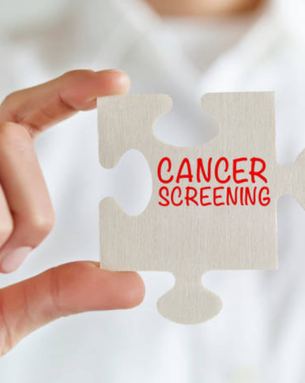
Cancer screening is essential for early detection of cancer before symptoms appear, when it is often more treatable and has a better prognosis. Screening can identify cancers at an early stage, reducing mortality and increasing survival rates. Common screening tests include mammograms, colonoscopies, and Pap smears, depending on the type of cancer. Regular screening is encouraged for individuals at average risk, with tailored approaches for those with higher risk factors.
Preventive oncology involves strategies and interventions aimed at reducing the risk of cancer development. This field focuses on identifying and mitigating risk factors, such as smoking, obesity, and exposure to carcinogens, and promoting healthy lifestyles. Preventive measures can include vaccinations, such as the HPV vaccine, and chemoprevention using certain drugs. Screening and early detection through cancer screening programs also play a crucial role in reducing cancer incidence and mortality.
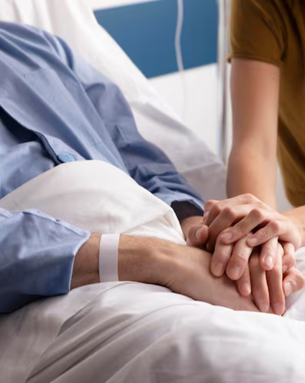
Palliative care is a specialized medical approach aimed at improving the quality of life for patients with serious illnesses like cancer. It focuses on providing relief from symptoms, pain, and stress, regardless of the cancer stage or treatment plan. This care is tailored to meet the individual needs of patients and can involve medication for pain control, nutritional support, emotional counseling, and assistance with decision-making and end-of-life care.
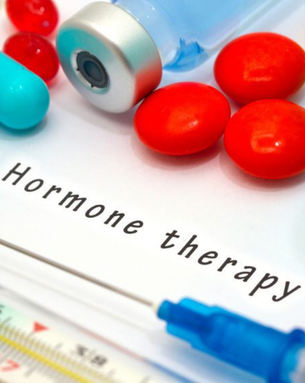
Hormonal therapy, also known as endocrine therapy, is used to treat cancers that are sensitive to hormones, such as breast and prostate cancer. It works by blocking the body's ability to produce hormones or by interfering with hormone action on cancer cells. This therapy is often used in combination with other treatments to prevent cancer recurrence or to slow its progression in advanced stages.
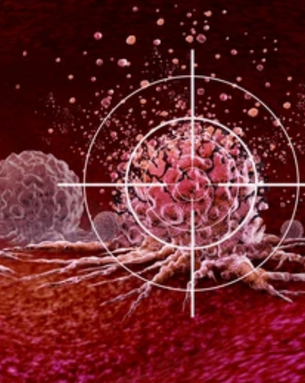
Targeted therapy involves drugs or other substances that block the growth and spread of cancer by interfering with specific molecules involved in tumor growth and progression. Unlike traditional chemotherapy, which impacts all rapidly dividing cells, targeted therapy aims at specific targets on cancer cells, minimizing damage to normal cells and reducing side effects. This approach requires detailed understanding of the molecular and genetic profile of a patient's tumor.
Immunotherapy is a cancer treatment that uses the body's immune system to fight cancer. It works by either stimulating the immune system to work harder or smarter to attack cancer cells, or by providing it with components, such as man-made immune system proteins. This approach can be effective for various types of cancers and may provide long-term protection against the disease by creating immune memory.
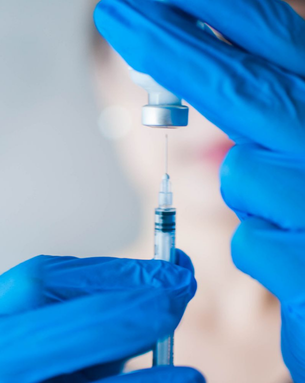
Chemotherapy is a type of cancer treatment that uses drugs to destroy cancer cells. It works by targeting rapidly dividing cells, a characteristic of most cancer cells. These drugs can be administered orally or intravenously, and they travel through the bloodstream to reach cancer cells throughout the body. Chemotherapy may be used alone or in combination with other treatments to shrink tumors, prevent cancer spread, or relieve symptoms.
 Address :Everhope Cancer Centre ,EBD 65 Sector 65 ,, Gurgaon 122101, Haryana Address :Kalyani Hospital, Sector 14, Gurugram - Mehrauli Rd, Anamika Enclave, Sector 14, Gurgaon 122007, Haryana